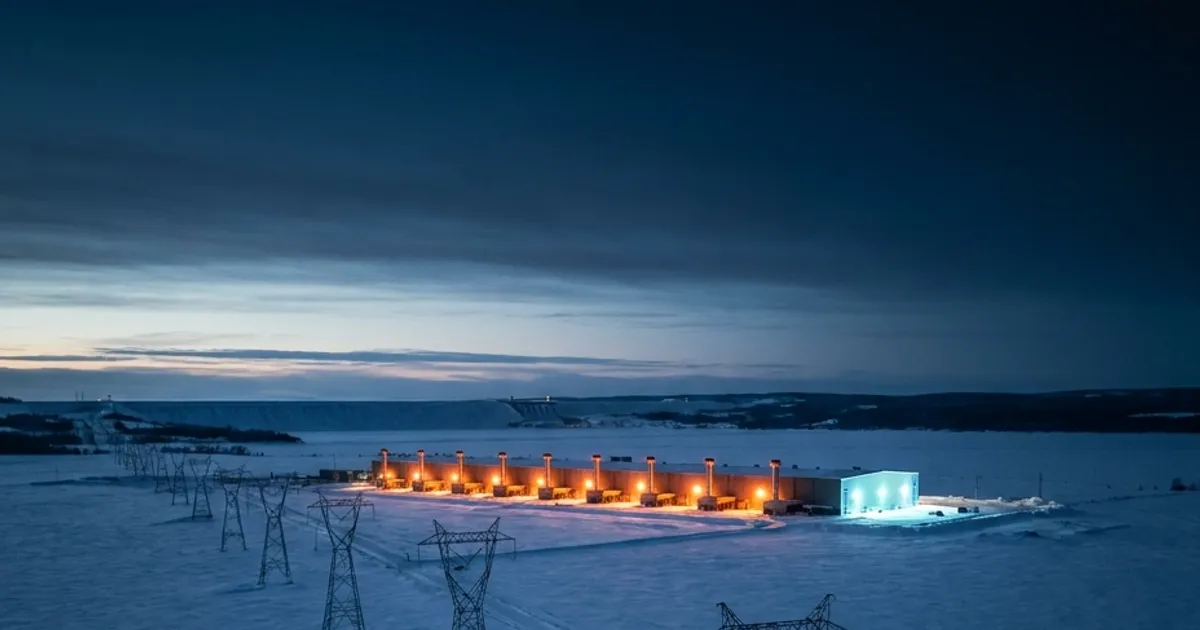
Quebec is different in three ways that matter for crypto. Its regulator is the Autorité des marchés financiers, which also licenses crypto ATM operators as money-services businesses. Quebecers file a separate provincial income tax return with Revenu Québec, so a crypto gain is reported twice. And Hydro-Québec, the utility that made the province a bitcoin-mining hub, now charges miners a dedicated rate and requires ministerial approval for projects of five megawatts or more.
Montréal is also home to Mila and much of Canada's AI research, which is why the province's crypto story in 2026 is as much about data centres as about coins. This page collects the regulator, the companies, the events and the coverage.
Questions people ask
- Who regulates crypto in Quebec?
- The Autorité des marchés financiers for trading platforms and investment products, and the AMF again for crypto ATM operators, which need a licence under the Money-Services Businesses Act. FINTRAC registration applies federally on top.
- Is crypto taxed differently in Quebec?
- The rules on what counts as a gain are federal, from the CRA, but Quebec residents also file a provincial return with Revenu Québec and report the same dispositions there. The crypto tax hub covers the federal side.
- Can I mine bitcoin on Hydro-Québec power?
- New projects of 50 kilowatts or more pay Hydro-Québec's Rate CB for cryptographic use, which is non-firm and can be curtailed, and since February 2023 any project of 5 megawatts or more needs authorization from the provincial economy ministry. Allocation of the crypto block was suspended in 2022 and 2023.